The Best Vegetables To Grow Together In Raised Beds
The Best Vegetables to Grow Together in Raised Beds
Raised beds are a great way to grow vegetables in a small space. They provide better drainage and aeration than traditional gardens, which can lead to healthier plants and higher yields. Raised beds also make it easier to weed and harvest your vegetables, and they can add a touch of beauty to your yard.
When choosing vegetables to grow in raised beds, there are a few things to keep in mind. First, consider the amount of sunlight your beds receive. Some vegetables, such as tomatoes and peppers, need full sun, while others, such as lettuce and spinach, can tolerate some shade.
Second, think about the size of your beds. If you have limited space, choose vegetables that don't take up a lot of room, such as radishes, carrots, and arugula. If you have more space, you can plant larger vegetables, such as tomatoes, cucumbers, and squash.
Finally, consider companion planting. Companion planting is a gardening technique that involves planting certain vegetables together to benefit each other. For example, tomatoes and basil help to repel pests, while marigolds help to deter nematodes.
Here are some of the best vegetables to grow together in raised beds:
- Tomatoes and basil: Tomatoes and basil are a classic companion planting combination. The basil helps to repel tomato hornworms, and the tomatoes provide support for the basil plants.
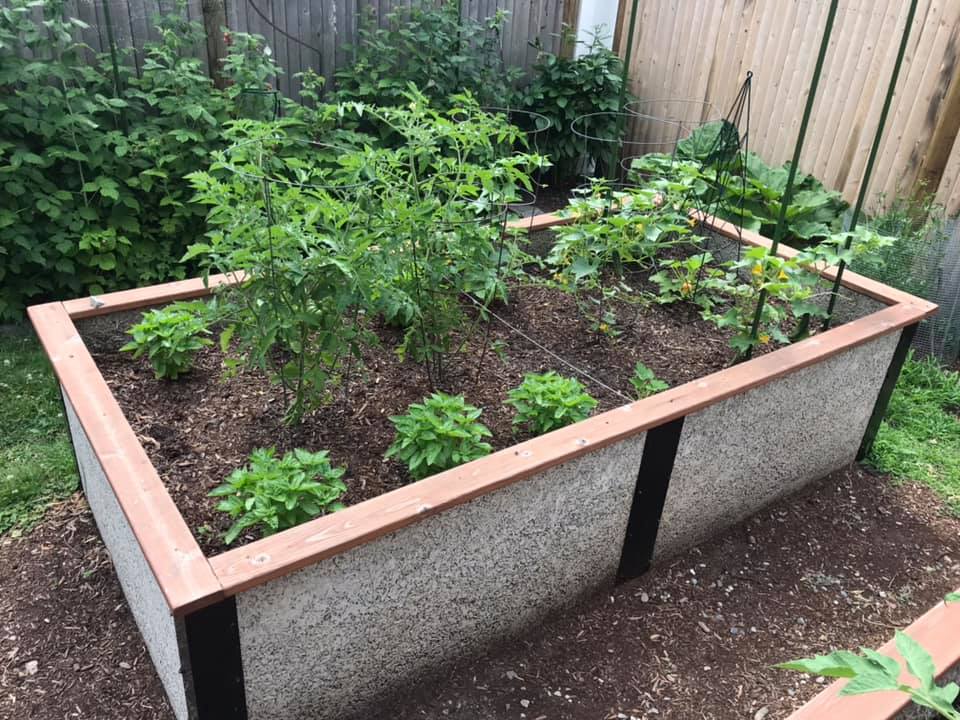
- Carrots and radishes: Carrots and radishes can be planted together in the same bed because they have different rooting depths. Carrots have deep roots, while radishes have shallow roots. This allows both vegetables to grow without competing for resources.
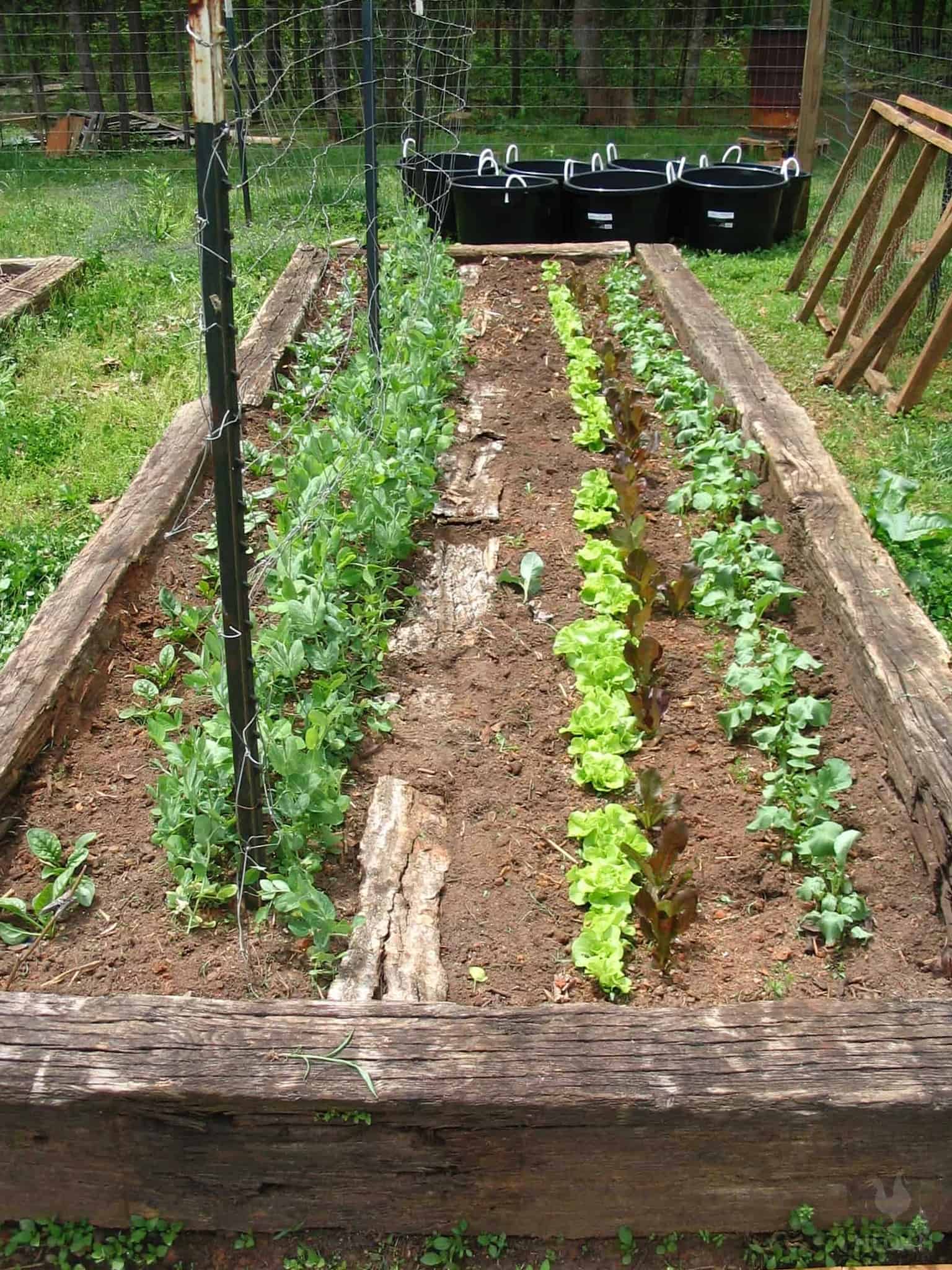
- Lettuce and spinach: Lettuce and spinach are both cool-season vegetables that can be planted together in early spring or fall. They are both relatively low-maintenance plants that don't require a lot of space.
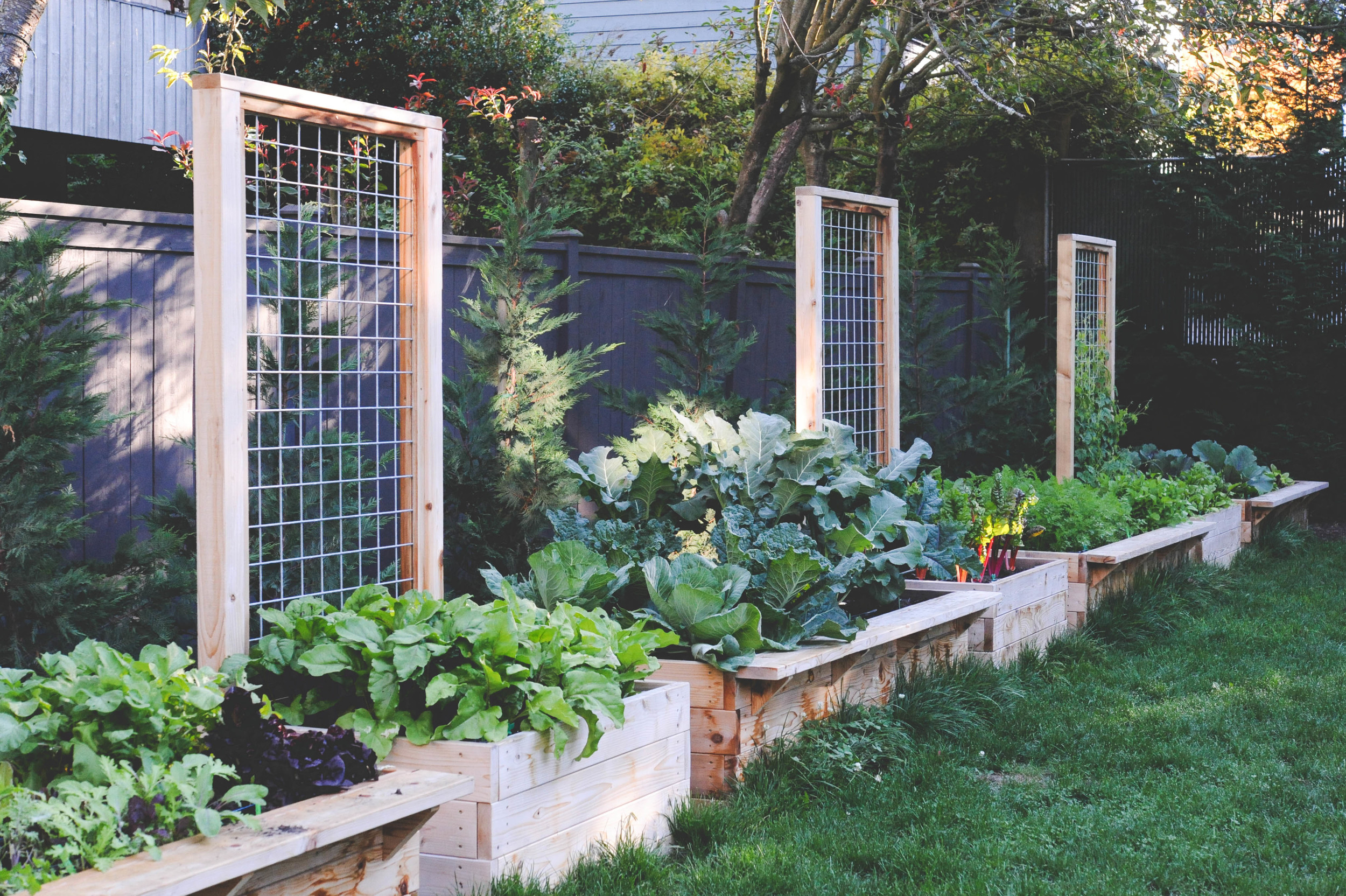
- Cucumbers and beans: Cucumbers and beans are both vining plants that can be grown together in a trellis. The cucumbers will grow up the trellis, while the beans will trail down. This allows both vegetables to use the same space without competing for sunlight.
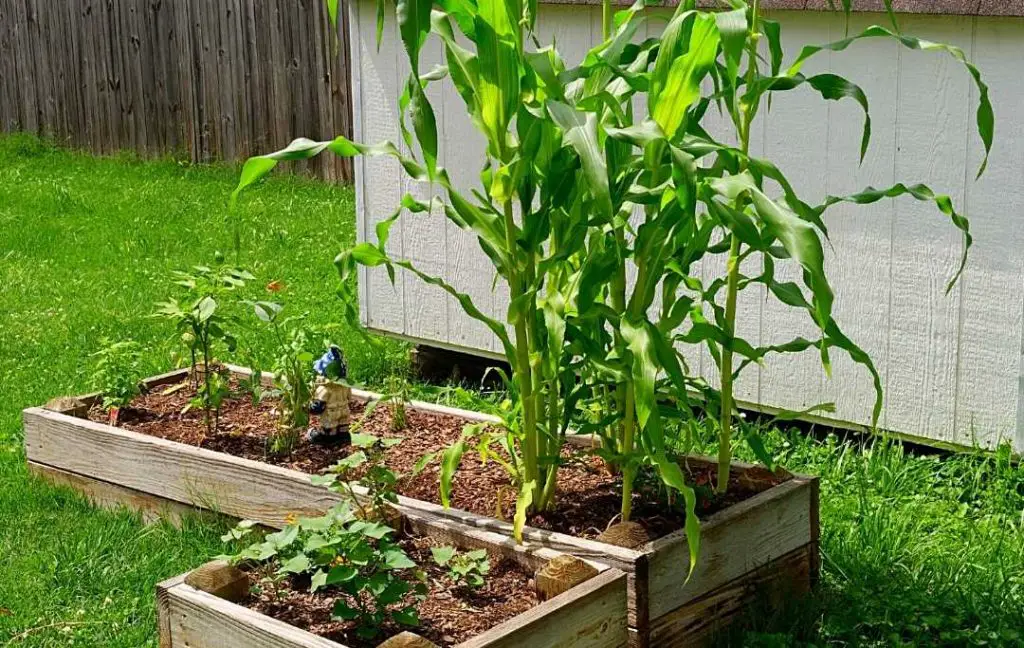
- Squash and corn: Squash and corn are another popular companion planting combination. The corn provides support for the squash vines, and the squash helps to suppress weeds.

These are just a few of the many vegetables that can be grown together in raised beds. When choosing vegetables to plant, be sure to do your research to make sure that they are compatible with each other. With a little planning, you can create a thriving vegetable garden in your raised beds.
Are you thinking about starting a raised bed vegetable garden? If so, you're in luck! Raised beds are a great way to grow vegetables in a small space, and they can also help to improve the quality of your soil. But with so many different vegetables to choose from, it can be tough to know where to start.
That's where Gardenia Inspiration comes in. This website is a comprehensive resource for all things raised bed gardening, including information on the best vegetables to grow together. The website's team of experts has carefully researched and tested different combinations of vegetables, and they've put together a list of the top 10 vegetables that grow best together in raised beds.
So whether you're a beginner or a seasoned gardener, Gardenia Inspiration is the perfect place to find information on the best vegetables to grow together in raised beds. Visit the website today to learn more!
FAQ of best vegetables to grow together in raised beds
- What are the best vegetables to grow together in raised beds?
There are many great vegetables that can be grown together in raised beds. Some good combinations include:
* Tomatoes and basil: Basil helps to deter pests and diseases from tomatoes, and the two plants also complement each other's flavors.
* Carrots and radishes: These two root vegetables can be planted together because they have different growth habits. Carrots need deep, loose soil, while radishes can grow in shallower soil.
* Beans and corn: Beans fix nitrogen in the soil, which can benefit corn plants. Corn provides a trellis for beans to climb.
* Cucumbers and squash: These vining plants can be grown together because they have similar needs for sunlight and water.
* Lettuce and spinach: These leafy greens can be planted together because they have similar growth habits and mature quickly.
- How do you arrange vegetables in a raised bed?
When arranging vegetables in a raised bed, it is important to consider their height, spacing, and water needs. Tall plants should be placed in the center of the bed, with shorter plants around the edges. Bushy plants should be spaced at least 18 inches apart, while vining plants can be spaced further apart. Vegetables with different water needs should not be planted too close together, as this can lead to problems with overwatering or underwatering.
- What are some companion planting tips for raised beds?
Companion planting is the practice of planting certain plants together because they benefit each other in some way. Some good companion planting combinations for raised beds include:
* Marigolds and tomatoes: Marigolds help to repel pests from tomatoes.
* Chives and cabbage: Chives help to repel pests from cabbage.
* Radishes and carrots: Radishes help to break up the soil and loosen it for carrots to grow in.
* Beans and peas: Beans and peas can fix nitrogen in the soil, which can benefit other plants.
* Lettuce and spinach: Lettuce and spinach can help to shade the soil and suppress weeds.
- What are some tips for watering raised beds?
Watering raised beds is important, but it is important not to overwater. The best way to water raised beds is to soak the soil thoroughly once a week. You can also use a drip irrigation system to water your raised beds more evenly.
- What are some tips for weeding raised beds?
Weeds can be a problem in raised beds, but there are a few things you can do to prevent them. The best way to prevent weeds is to use a thick layer of mulch around your plants. Mulch will help to suppress weeds and keep the soil moist. You can also hand-weed your raised beds regularly.
Image of best vegetables to grow together in raised beds
- Carrots and tomatoes: Carrots and tomatoes are both heavy feeders, so they benefit from the rich soil in raised beds. They also have different water needs, with carrots preferring drier soil and tomatoes preferring moist soil. This helps to prevent one plant from competing with the other for resources.

- Cucumbers and beans: Cucumbers and beans are both vining plants that can benefit from the vertical space in raised beds. Cucumbers need full sun, while beans can tolerate partial shade. This makes them a good companion planting, as they can help to shade each other from the hot sun.
- Lettuce and spinach: Lettuce and spinach are both cool-season crops that can be planted early in the spring or fall. They prefer loose, well-drained soil, which is ideal for raised beds. Lettuce can be harvested a few leaves at a time, while spinach can be harvested all at once. This makes them both good choices for small raised beds.
- Peas and radishes: Peas and radishes are both quick-growing crops that can be planted in early spring. They can also be planted in succession, meaning that you can plant another round of seeds after the first round has been harvested. This helps to extend your harvest season.
- Squash and corn: Squash and corn are both warm-season crops that can be planted together in raised beds. The corn stalks provide support for the squash vines, and the squash leaves help to suppress weeds. This makes them a good companion planting for a productive raised bed.

Post a Comment for "The Best Vegetables To Grow Together In Raised Beds"